

Paediatric Dentistry – Children’s Dentistry
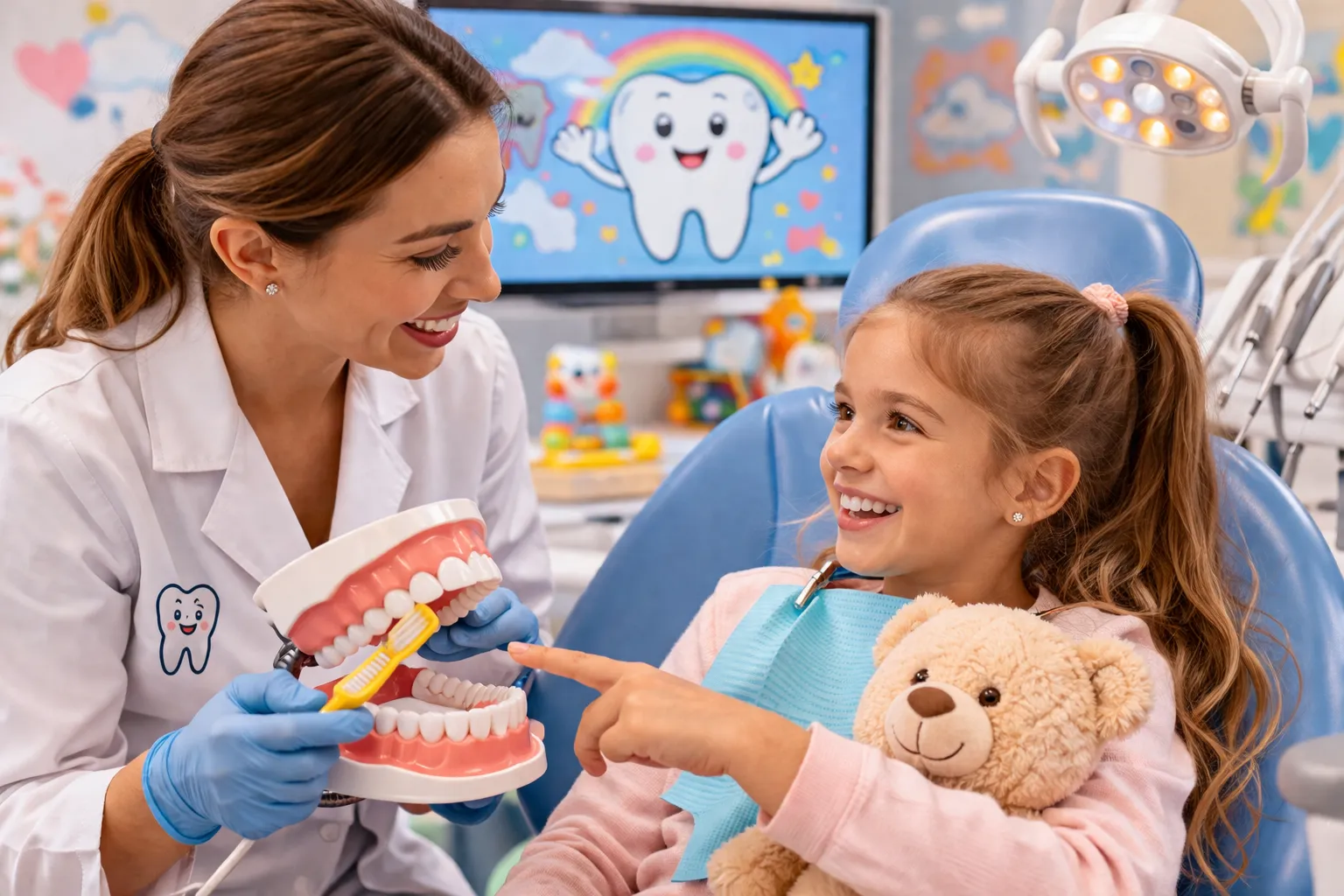
The Right Address for Your Child's Teeth
Why are primary teeth important? At what age should children first see a dentist? When are fissure sealants and fluoride applications performed? Dr. Sevgi Savaş Akbaş answers the questions families are most curious about in this video.
At our Ankara İncek clinic, we offer our young patients a trust-focused and trauma-free treatment experience.
WhatsApp AppointmentWhy Are Primary Teeth So Important?
Children's first teeth — 20 primary teeth — begin to erupt at approximately 6 months and are complete by age 2.5. Although permanent teeth begin to erupt from age 6, primary teeth continue to serve in the mouth until age 12. These "temporary" teeth actually take on very critical functions.
Preventive Dentistry Applications
The most valuable principle of paediatric dentistry is "preventing is easier than treating." Preventive applications aim to ensure that children grow up with a healthy oral structure without experiencing tooth decay, and are largely successful.
- Fissure sealant: Prevents decay by sealing the deep grooves on the chewing surfaces of molar teeth.
- Topical fluoride application: Tooth enamel is strengthened; clinically significantly reduces the risk of decay.
- Oral hygiene education: Age-appropriate tooth brushing technique is demonstrated to the child and family.
- Nutritional counselling: Food habits that increase decay risk are evaluated; healthy alternatives are recommended.
- Regular check-up appointments: Possible problems are detected early with 6-monthly monitoring.
Fissure Sealant – The Most Effective Prevention of Decay
The deep grooves (fissures) on the chewing surfaces of molar teeth are areas that children cannot clean with a toothbrush, where bacteria accumulate easily. These areas are the source of the vast majority of decay cases.
A fissure sealant is a protective material in flowing form applied to these grooves; it smooths the tooth surface and prevents bacteria from adhering. It is a painless, quick and highly effective application.
Applied predominantly to first permanent molars erupting at age 6 and second permanent molars erupting at age 12. Can also be applied to primary molars with deep fissures.
Ages 6–7 are ideal for first molars, and ages 11–13 for second molars. Application immediately after tooth eruption provides the most effective result.
A check-up every 6 months is recommended. Renewed when necessary. Can provide protective function for 5–10 years depending on care.
Yes. No tooth preparation is needed, no anaesthesia required. Application takes a few minutes; the child feels no discomfort whatsoever.
Topical Fluoride Application
Fluoride is a natural mineral that strengthens the tooth enamel structure and increases its resistance to acid attacks. Topical fluoride applied in a clinical setting provides much more intensive and effective protection compared to home-use fluoride toothpastes.
Primary Tooth Treatments
Problems that arise in primary teeth must definitely be treated to prevent early loss of the tooth. Primary tooth treatments are technically different from those on permanent teeth; they are planned according to the child's age, the condition of the tooth and behaviour management.
| Treatment | Application Situation | Purpose |
|---|---|---|
| Filling | Early and moderate decay | Stopping decay, preserving the tooth |
| Pulp treatment (root canal) | Decay reaching the pulp or trauma | Protection until permanent tooth without early loss |
| Stainless steel crown | Primary molar with significant material loss | Durable, long-term protection |
| Space maintainer | Early tooth loss | Keeping the eruption path of permanent tooth open |
| Extraction | Unrestorable tooth | Source of infection eliminated; space maintainer planned |
Root canal treatment (pulp treatment) on a primary tooth is performed for a different purpose than in adults: the aim is for the tooth to continue its function until its natural shedding time while protecting the permanent tooth bud.
Dental Trauma in Children
Tooth fracture, displacement or complete avulsion during falls, impacts and sports accidents is common in children. In dental trauma, the speed and correctness of the first response is decisive for whether the tooth can be saved.
Habit-Breaking Appliances
Habits such as thumb sucking, dummy dependence, tongue thrusting and nail biting can disrupt jaw development, cause protrusion of front teeth and lead to malocclusion problems. It is recommended that these habits do not continue beyond ages 3–4.
At our clinic, special habit-breaking appliances can be planned according to the child's age and the type of habit. These appliances are designed not to force the child but to gently prevent the reflex that creates the habit. Cooperation with the parent directly affects the success of treatment.
Child-Centred Treatment Approach – Trust and Comfort
Preventing dental fear in children directly shapes oral health habits in adulthood. A negative experience at the first visit can develop into permanent anxiety in the child. For this reason, the approach technique is just as important as the medical intervention.
Before each procedure, what will be done is explained to the child in age-appropriate language, the instrument is shown, and then the procedure is performed. When the element of surprise is eliminated, fear is greatly reduced.
Each successful step is supported with rewarding language and behaviour. The child associates the dentist with a positive experience.
The child is given a "we can stop if you want" signal. This small touch significantly reduces the child's anxiety and increases cooperation.
Each treatment step is shared transparently with the family. Preparation and attitude at home directly affects the behaviour displayed at the clinic.
Age-by-Age Paediatric Dentistry Monitoring Guide
First Dentist Visit
The first examination should be performed with the eruption of the first tooth (6th month – 1 year). Guidance is provided to the parent on brushing technique and dummy use.
Early Childhood Decay
Baby bottle decay is the most common problem of this period. 6-monthly check-up, fluoride varnish application and hygiene education begin.
Primary Dentition Period
20 primary teeth are complete. This is the period requiring fissure sealant (for primary molars), fillings and habit-breaking appliances.
Mixed Dentition Period
Both primary and permanent teeth are in the mouth. Fissure sealant for first permanent molars is critical. Jaw development is monitored; early orthodontic intervention is planned if necessary.
Permanent Dentition and Adolescence
Second permanent molars erupt, fissure sealant is applied. Orthodontic treatment assessment continues; regular dentist follow-up continues.
Recommendations for Families – Dental Health at Home
The first dentist visit should be made with the eruption of the first tooth, no later than age 1.
Brushing should begin when the first tooth appears. A finger brush or soft baby brush is used for infants.
Up to age 2, a thin layer (grain of rice size) of fluoride toothpaste; between ages 2–6, a pea-sized amount is used.
Sleeping with sugary liquids causes baby bottle decay. Avoid putting to sleep with a bottle containing anything other than water.
The frequency of sugar consumption is more important than the amount. Consuming sugary foods frequently throughout the day multiplies decay risk.
Even without symptoms, a 6-monthly paediatric dental check-up provides early diagnosis and minimizes the need for treatment.
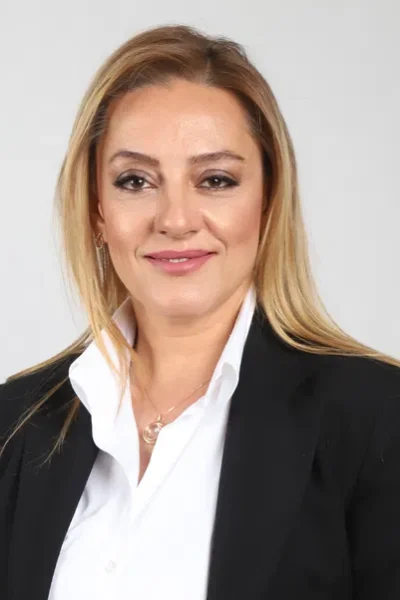
Dr. Sevgi Savaş Akbaş
Dentist · Children's Dentistry · Ankara İncekDr. Sevgi Savaş Akbaş offers a trust-focused and trauma-free treatment experience specially tailored to young patients at her Ankara İncek clinic. With an approach based on the Tell-Show-Do technique, positive reinforcement and parent coordination, she aims to prevent dental fear from the very beginning. All paediatric dentistry services are provided including fissure sealant, fluoride application, primary tooth pulp treatments, space maintainers and habit-breaking appliances.
Children's Dentistry – Frequently Asked Questions
When should a child first go to the dentist?
Is treatment necessary when primary teeth decay?
When and at what age should fissure sealant be done?
Is fluoride application safe?
Can root canal treatment be performed on a primary tooth?
What is a space maintainer and when is it fitted?
What first aid should be given to a child with a knocked-out or broken tooth?
Does thumb sucking habit damage teeth?
My child is afraid of the dentist — what should I do?
What is baby bottle decay and how is it prevented?
At what age should orthodontic assessment be performed?
Why Sevgi Savaş Dental Clinic in Ankara İncek for children's dentistry?
Let's Take the First Step for Your Child's Dental Health
The earlier the first visit, the sooner preventive measures can begin. Call us to book an appointment at our Ankara İncek clinic.
Call Now WhatsApp Ankara Dental Clinic